Yoga for Grief: Building Bereavement Support Programs That Hold People When Loss Won't Let Go

Yoga for Grief: Building Bereavement Support Programs That Hold People When Loss Won't Let Go
Around the end of October, many cultures turn toward their dead. People light candles, build altars, cook a grandmother's recipe, and say names out loud. For a few days the rest of the world seems to remember what mourners know all year. Loss doesn't end when the funeral does.
Most grieving people get a casserole and a card in the first week. By the third month the casseroles have stopped, and people expect the bereaved to be "doing better." Grief doesn't follow that schedule. It shows up in the body as a tight chest, a stomach that won't settle, nights without sleep, and a heavy exhaustion that rest doesn't fix. Sometimes it feels like a phantom limb.
Yoga studios and teachers are already trusted places for people in pain. This post makes the case for something specific: a network of grief-informed yoga programs, built with hospices, funeral homes, faith communities, and bereavement counselors, so that no one has to carry loss alone and in silence.
Why grief belongs on yoga's mission map
Grief is universal, and our systems for supporting it are thin.
- Support is front-loaded and short. Workplace bereavement leave is often a few days, if it exists at all. Social support usually fades within weeks, while the hardest stretch for many people comes months later.
- Some grief becomes disabling. Prolonged grief disorder was added to the DSM-5-TR in 2022. Researchers estimate that roughly one in ten bereaved adults experiences grief that stays intense and impairing long after the loss. Many of them never receive specialized care.
- Talk therapy isn't available or right for everyone. Therapists are expensive, waitlists are long, and many people can't find words for what they feel. Some cultures treat grief as something to do together, not in a private office.
- Grief is physical. Bereaved people report disrupted sleep, appetite changes, pain, fatigue, and panic. A practice that works through breath, movement, and stillness meets grief where it lives.
Yoga is not a cure for grief. Grief isn't a disease, and we should never promise to fix it. What yoga can offer is more modest and arguably more valuable: a regular, low-pressure place to be with a body that is hurting, among people who don't need an explanation.
What yoga's roots say about loss
Honoring yoga's South Asian heritage means remembering that these traditions have always dealt with death directly.
The Bhagavad Gita opens its teaching on the self with a grieving warrior, Arjuna, who is paralyzed by sorrow at the thought of the losses ahead. Krishna's response in the second chapter speaks to impermanence, the continuity of the self, and the limits of what we control. The Yoga Sutras name abhinivesha, the deep clinging to life and fear of its ending, as one of the five kleshas, the afflictions that shape human suffering. In the yogic view this fear isn't a personal failing. It's part of being a living creature.
Many South Asian communities also hold structured mourning practices, such as prescribed days of ritual, communal meals, and ceremonies that mark remembrance over time. These are built-in grief supports that modern life tends to strip away.
A grief-informed yoga program doesn't need to quote scripture or push philosophy. When teachers do share these roots, they should do so humbly and accurately, and without implying that yoga gives a tidy answer to loss. The tradition is more honest than that. It sits with the difficulty.
The current gap
Several things are missing right now.
- Almost no teacher training on grief. Most trainings cover anatomy, sequencing, and perhaps trauma sensitivity. Few address bereavement, ambiguous loss, or how to hold a class where someone may cry without warning.
- No bridge between hospice and community. Hospices in the U.S. are required to offer bereavement support to families for about a year after a death. Many offer groups and counseling, but few have referral relationships with movement-based community programs, and many families fall off the support map when that year ends.
- Wellness spaces can feel hostile to sorrow. Marketing that promises "good vibes only" can make a grieving person feel they don't belong. Some studios have no way to respond when a longtime student's spouse dies.
- Little documentation of what works. Research on yoga for bereavement is early, mostly small studies. We can say with confidence that mind-body programs help many people with stress, sleep, and mood. We can't yet say how best to design a grief program. That is a reason to build carefully and measure honestly, not a reason to wait.
- Overlooked communities. Parents who lost a child, people grieving a suicide or overdose, those who lost someone to violence, LGBTQ+ people whose chosen family isn't recognized, and people grieving pets, pregnancies, or relationships often have the least formal support.
What's possible: a grief-informed yoga ecosystem
Imagine this in every city:
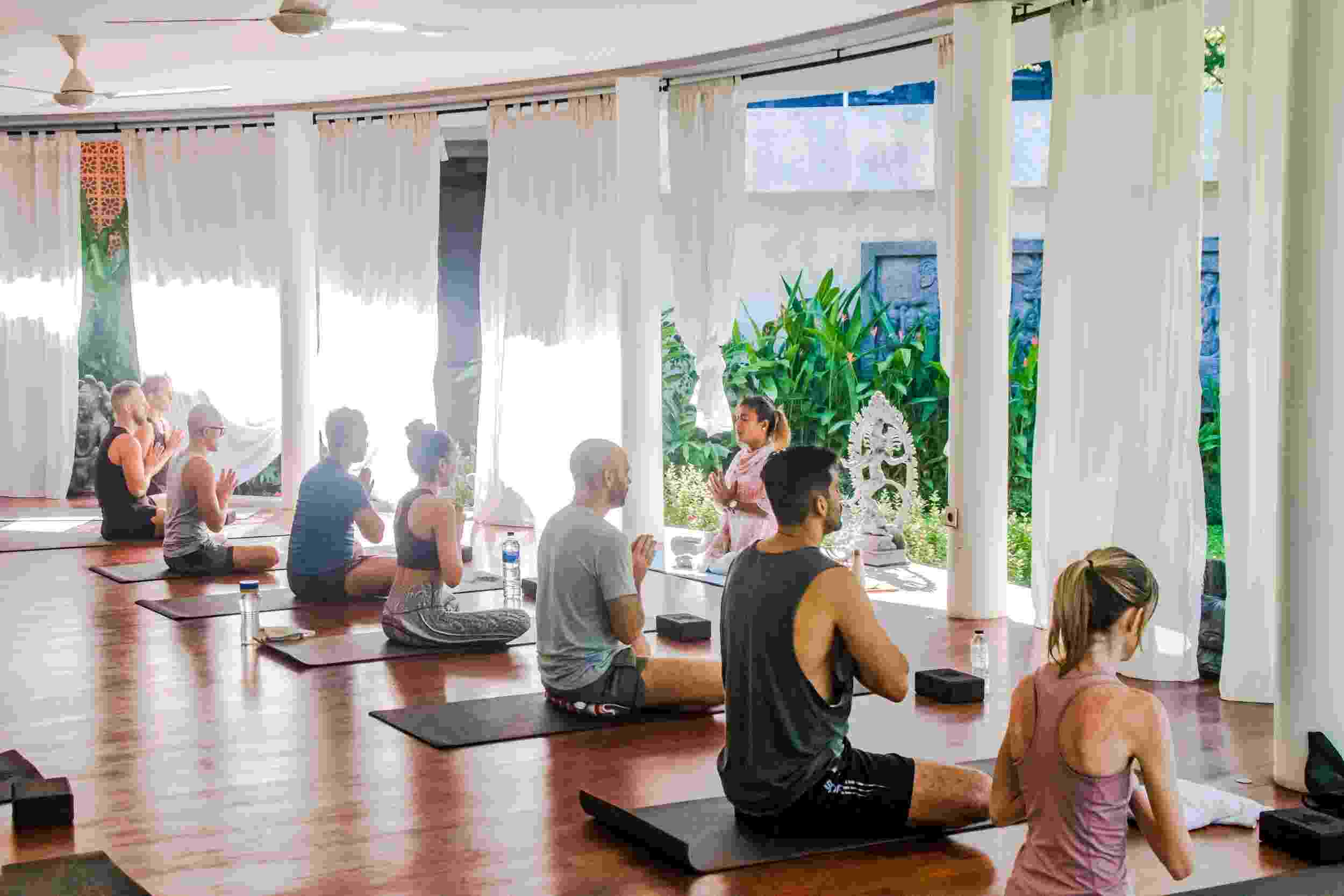
- A weekly grief and gentle movement class at a studio, a hospice, or a community center, open to anyone who has lost someone and free or pay-what-you-can.
- Hospice and hospital social workers who hand families a card for a local program during their bereavement follow-up.
- Teachers trained to hold space for loss. They know what to do when a student sobs in savasana, and they know when to refer someone to a counselor.
- Studios with a simple, humane protocol for when a student, teacher, or staff member dies, including a ritual for remembrance rather than a quiet erasure.
- Seasonal offerings around anniversaries, holidays, and the dates that land hardest, such as the first Mother's Day or Father's Day, the birthday, and the first year mark.
- A shared set of open-source resources so a teacher in a small town can start a program without reinventing everything.
Principles for grief-informed yoga
Programs work best when they share a few commitments.
Invitation over instruction. Grief takes away a sense of control. Offer choices in every class: eyes open or closed, lying down or sitting in a chair, joining or resting. Never require stillness. For some mourners, lying quietly with their thoughts is the hardest thing in the world.
No fixing, no timeline. Avoid phrases like "let go," "find closure," "everything happens for a reason," or "they're in a better place." Instead, use language that makes room: "You can bring whatever you're carrying."
Body-first, trauma-aware. Many losses are sudden, violent, or traumatic. Use trauma-informed basics: predictable structure, no hands-on adjustments without consent, and exits and options that are always available. Slow, rhythmic breathing is generally gentler than intense breathwork, which can stir up overwhelming sensation.
Make room for the full range. Grief includes anger, relief, guilt, numbness, and sometimes laughter. A good class doesn't push toward peace.
Cultural humility. Mourning practices vary enormously across traditions. Ask participants what they need. Don't import rituals you don't have the standing to lead, and let communities shape programs for themselves.
Know your scope. Yoga teachers are not grief therapists. Programs should be clear about this, offer resources for counseling and crisis lines, and have a plan if someone expresses thoughts of self-harm.
A sample class format
Here's a simple structure for a 60-minute grief-and-gentle-movement session. Adapt it freely.
- Arrival (10 minutes). Chairs and mats available. Tea. A short, optional check-in: name, and, if you wish, who you're remembering. Passing is always welcome.
- Grounding (10 minutes). Feel the support of the floor or chair. Slow breath with a longer exhale. Gentle neck, shoulder, and chest opening, since many mourners hold tension in the upper body and heart area.
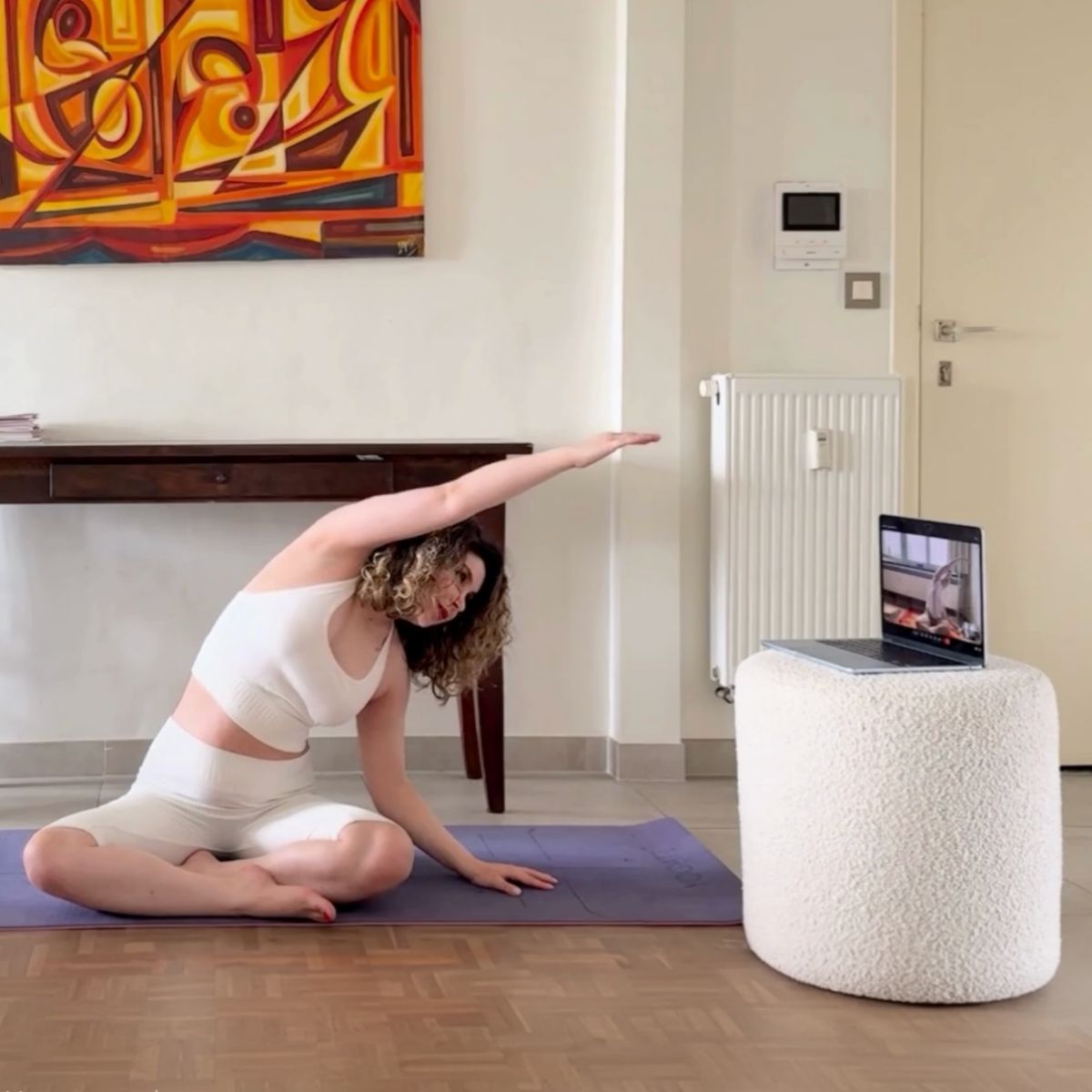
- Movement (20 minutes). Slow, simple, repeatable shapes: seated cat-cow, supported forward folds, gentle twists, side stretches, and a supported bridge. Offer the option to move in ways that feel right rather than following a script.
- Rest (10 minutes). Supported reclined positions with blankets and bolsters. Leave eyes open if closing them feels unsafe. Keep guidance sparse and kind.
- Closing (10 minutes). An optional shared ritual, such as lighting a candle or writing a name on a card, with no pressure to speak. End with a few minutes of social time. Many people say the quiet company is the most healing part.
Where to start: a roadmap for studios and teachers
Step 1: Get trained, and start with your own grief
Before leading grief-informed classes, learn the basics through bereavement training from a hospice, a grief-support nonprofit, or a trauma-informed yoga program. Reflect on your own losses too. Teachers who haven't made peace with their own grief tend to rush mourners toward comfort. Consider a workshop for teachers focused on trauma-informed or bereavement-aware teaching.
Step 2: Call your local hospice
Ask for the bereavement coordinator. Many hospices are eager for community partners, especially for people who aren't ready for a traditional support group. Offer a pilot: a six-week series, free to participants, in your space or theirs. Ask how they'd refer people, and what they'd want you to avoid.
Step 3: Start small and keep it consistent
A single weekly class with a clear name and a gentle description is enough. Consistency matters more than size. A person in the second month of mourning needs to know that something will be there next Tuesday at 6 p.m.
Step 4: Remove barriers
- Make it free or pay-what-you-can, and never ask for proof of loss.
- Offer chair options and mats, and make the space physically accessible.
- Describe the class plainly: "no experience needed, no flexibility needed, all feelings welcome."
- Consider multiple languages and culturally specific offerings, in partnership with community leaders.
Step 5: Build in care for the teacher
Holding other people's sorrow takes a toll. Teachers who lead grief programs need peer support, regular debriefs, and boundaries around their time. Studios should pay teachers fairly for this work rather than asking them to volunteer their emotional labor.
Step 6: Create a studio death-and-loss protocol
When someone in your community dies, have a plan. Notify students with care, create a space for remembrance such as a candle and a book of notes, offer a dedicated class, and check in with those who were closest. Doing this well shows every person in your community that they won't be forgotten, too.
Step 7: Measure and share
Track attendance and retention, and invite short, voluntary feedback on questions like sleep, sense of connection, and whether participants would recommend the class. Share what you learn with partners and with the broader network so the field builds knowledge together. Be modest in your claims. Report what participants said, not promises of healing.
What the network can do together
Individual programs matter, and a connected network can do more. Here's what we propose for Yoga Founders Network members and partners:
- A shared open-source toolkit: class outlines, language guidelines, consent practices, referral templates, and a bereavement protocol for studios.
- Training pathways: partner with hospice and bereavement organizations to offer low-cost trainings for yoga teachers on grief-informed facilitation.
- A "grief-informed" listing tag in our directory, so a person searching for support can find programs that meet agreed standards. See what's near you through our studio directory, and find qualified facilitators in the teacher directory.
- A pilot evaluation: a handful of participating programs collecting consistent, voluntary outcome data so we can contribute honestly to a thin evidence base.
- Seasonal community campaigns, such as open classes around the holidays and anniversaries that hit mourners hardest.
Common concerns, answered
"Isn't this too heavy for a yoga class?" Gentle movement for grief doesn't mean digging into everyone's pain. People come to be near others without having to perform. Many leave feeling lighter, even though nothing has been solved.
"What if someone is in crisis?" Know your limits. Keep crisis resources visible, such as the 988 Suicide & Crisis Lifeline in the U.S., and agree on a protocol with your hospice or counseling partner before you launch.
"I haven't been trained as a counselor." You don't need to be one. You do need to know where your role ends, and to build relationships with people whose role begins there.
"Will anyone come?" Probably more than you expect. Almost everyone has lost someone, and few places invite them to be with that loss in company. Referral partnerships help people find you.
Key Takeaways
- Grief is universal, physical, and under-supported, especially after the first few weeks. Some people experience prolonged grief that needs specialized care.
- Yoga isn't a cure for grief. It can offer a steady, low-pressure place to be with a hurting body among others who understand.
- Yoga's South Asian roots speak openly about impermanence and loss, and many South Asian traditions include communal mourning. We should honor that depth with humility.
- Grief-informed teaching favors invitation over instruction, avoids platitudes, uses trauma-aware basics, and knows its scope.
- Start by getting trained, partnering with a local hospice, offering one consistent weekly class, and removing cost and access barriers.
- A network can multiply the impact through shared toolkits, training pathways, directory tags, and honest evaluation.
Be part of the movement
Someone in your neighborhood is moving through a first season without a person they love. They may not need advice. They may need a quiet room, a blanket, and people who aren't afraid of their sorrow.
If you run a studio, teach, or lead a community space, consider starting a grief-informed class this season. Join Yoga Founders Network, list your space or teaching in our directory, and tell us you're building a grief-support program. We'll connect you with other founders doing the same work. And if this message moved you, share it with a teacher who has been wondering how to help.